Enterprise Workflow Automation Software Powered By Agentic AI
Mimasa AI is an enterprise workflow automation platform that unifies your data, reasons over it with AI automation tools, and runs automated workflows across 180+ systems — replacing dashboards, spreadsheets and brittle rule-based bots with one intelligence layer.
Why Most Automation Workflow Projects Stall
Data exists, but it sits in silos across systems, teams and formats. Traditional automated workflow software handles the clicking and leaves the thinking to people, so insight arrives late, decisions stay reactive and execution remains manual. Teams end up buying a workflow automation tool for each department and still moving the important information between them by hand.
Insights Arrive Late
Disconnected systems make a real-time operating picture impossible, so workflow automation runs on yesterday's exports and the exception is found after it has already cost something.
Rules Break Quickly
Rule-based automated workflow tools fail the moment a document, portal or field changes shape, and the maintenance bill quietly grows larger than the saving.
Execution Stays Manual
Even after a decision is made, someone still opens another system and re-keys it by hand, which is where errors, delays and audit gaps are introduced.
From Automation Workflow Tools To Agentic AI
Mimasa replaces static analytics and scripted automation with a workflow automation tool that reasons about each case before it acts, so exceptions get handled instead of queued.
Autonomous AI agents that continuously understand, decide and act on your data
How Our AI Workflow Automation Tools Work
Five stages turn raw enterprise data into automated workflows that finish the job rather than report on it. Each stage is inspectable, so you can see which system supplied a value, which rule or model produced a decision, and which action was written back — the transparency enterprise workflow automation reviews always ask for.
Connect
Integrate 180+ systems — ERPs, CRMs, databases, APIs and files — so every automated workflow runs on live enterprise data.
Understand
AI automation tools interpret structured and unstructured data using context, history and your business logic.
Decide
Agents apply rules, ML models and reasoning to reach decisions your policies already allow.
Act
Automated workflows write back to source systems, notify teams and complete work across platforms.
Learn
Every execution feeds back, so workflow automation accuracy improves instead of decaying.
The loop is the product. Connectors without reasoning give you another integration project, and AI without execution gives you another chat window. Running all five stages in one workflow automation platform is what turns a finding into finished work.
Your Digital Workforce — Always On
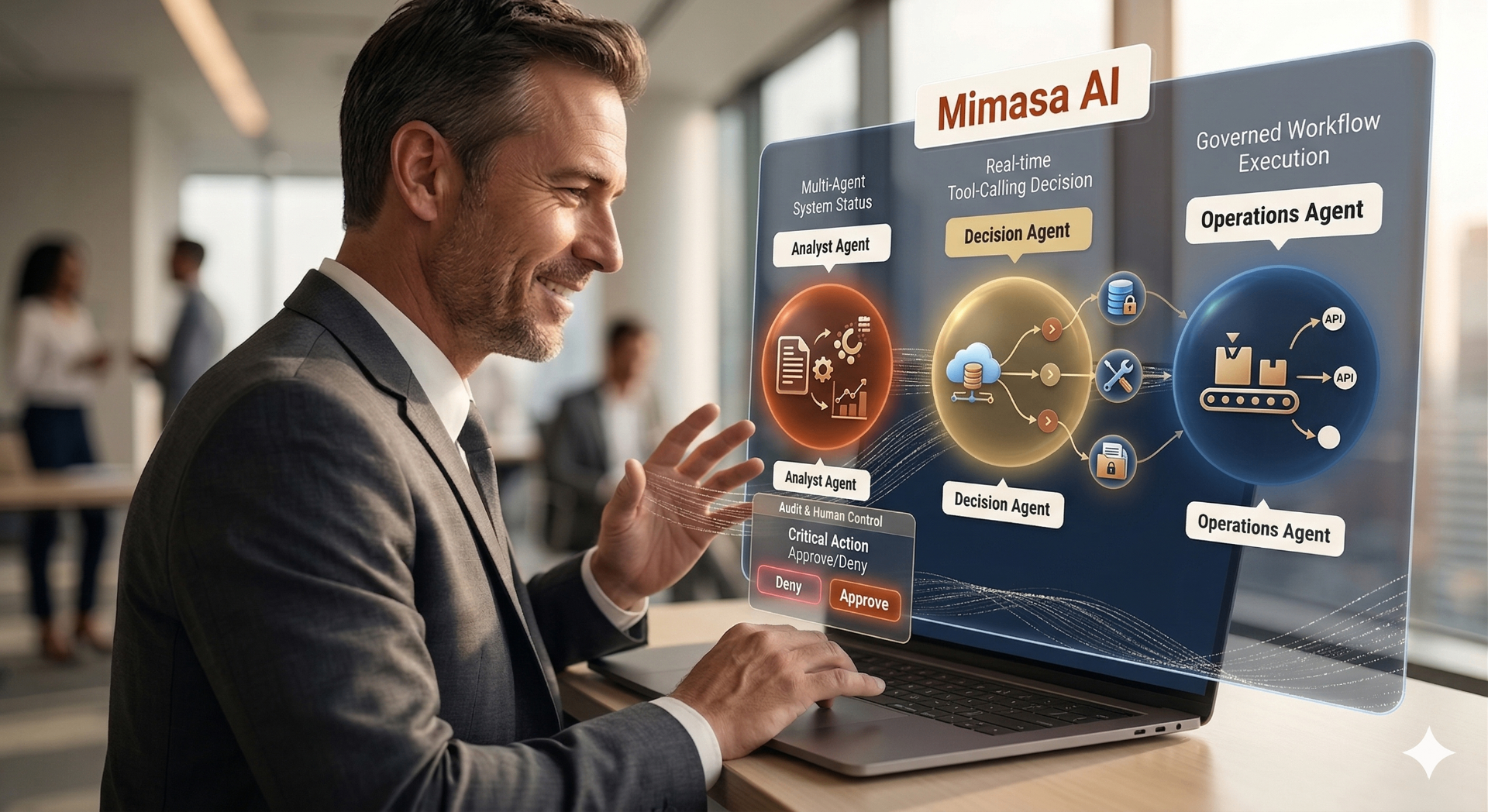
Instead of maintaining brittle scripts, you deploy agents. Mimasa runs multi-agent systems that own whole automated workflow processes end to end, from reading a document to closing the ticket in your ERP.
- Autonomous task execution across every connected system, not just the one the workflow started in
- Tool-calling agents that decide in real time
- Multi-step reasoning across long-running workflows that span days and several departments
- Human-in-the-loop approvals for critical actions
- Audit-ready, governed execution recorded on every single run
From Single Tasks To Enterprise Workflow Automation
Agentic AI workflow automation that reads the case, decides within your policy, and executes the result.
Automate Workflows By Simply Asking
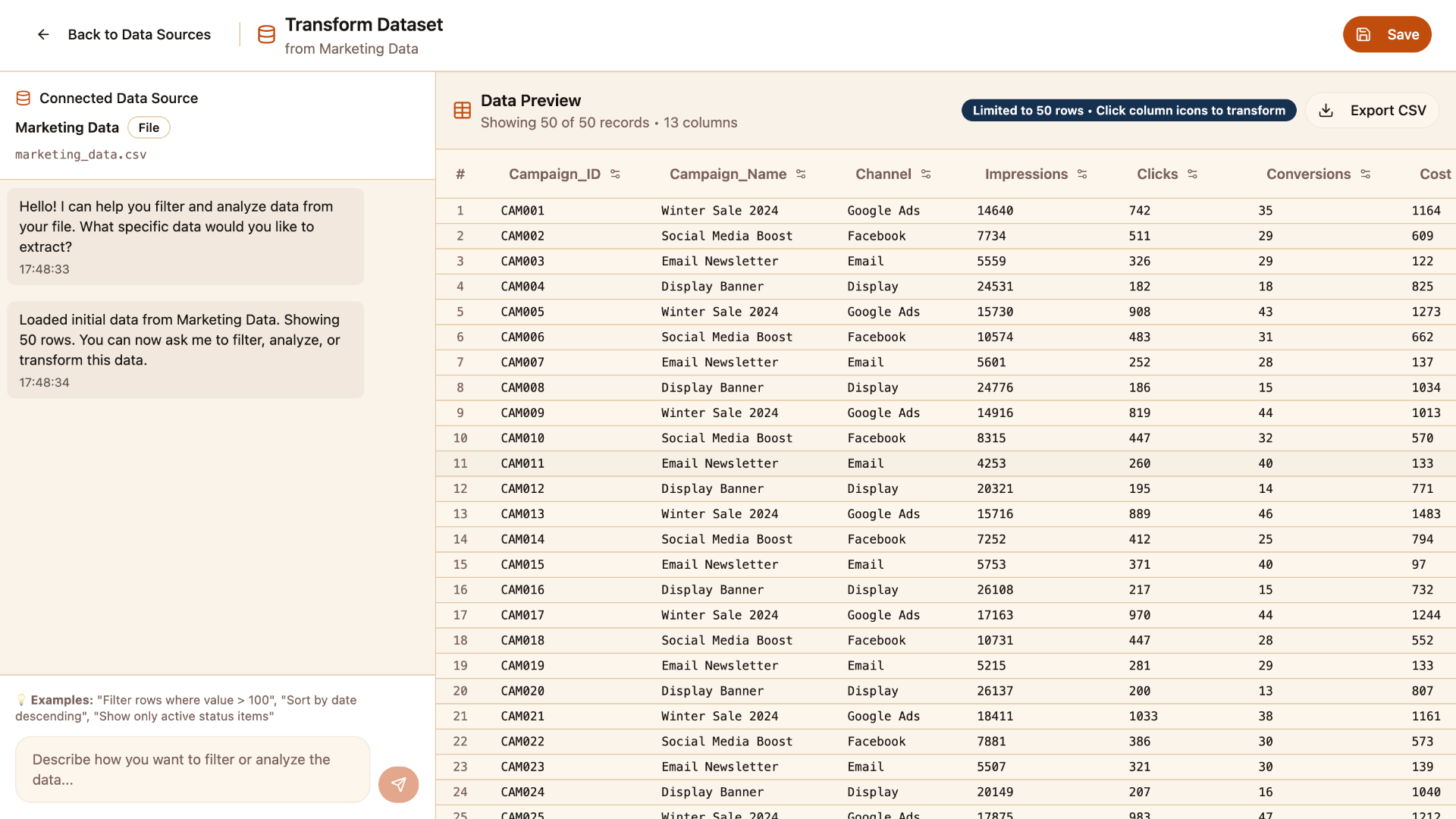
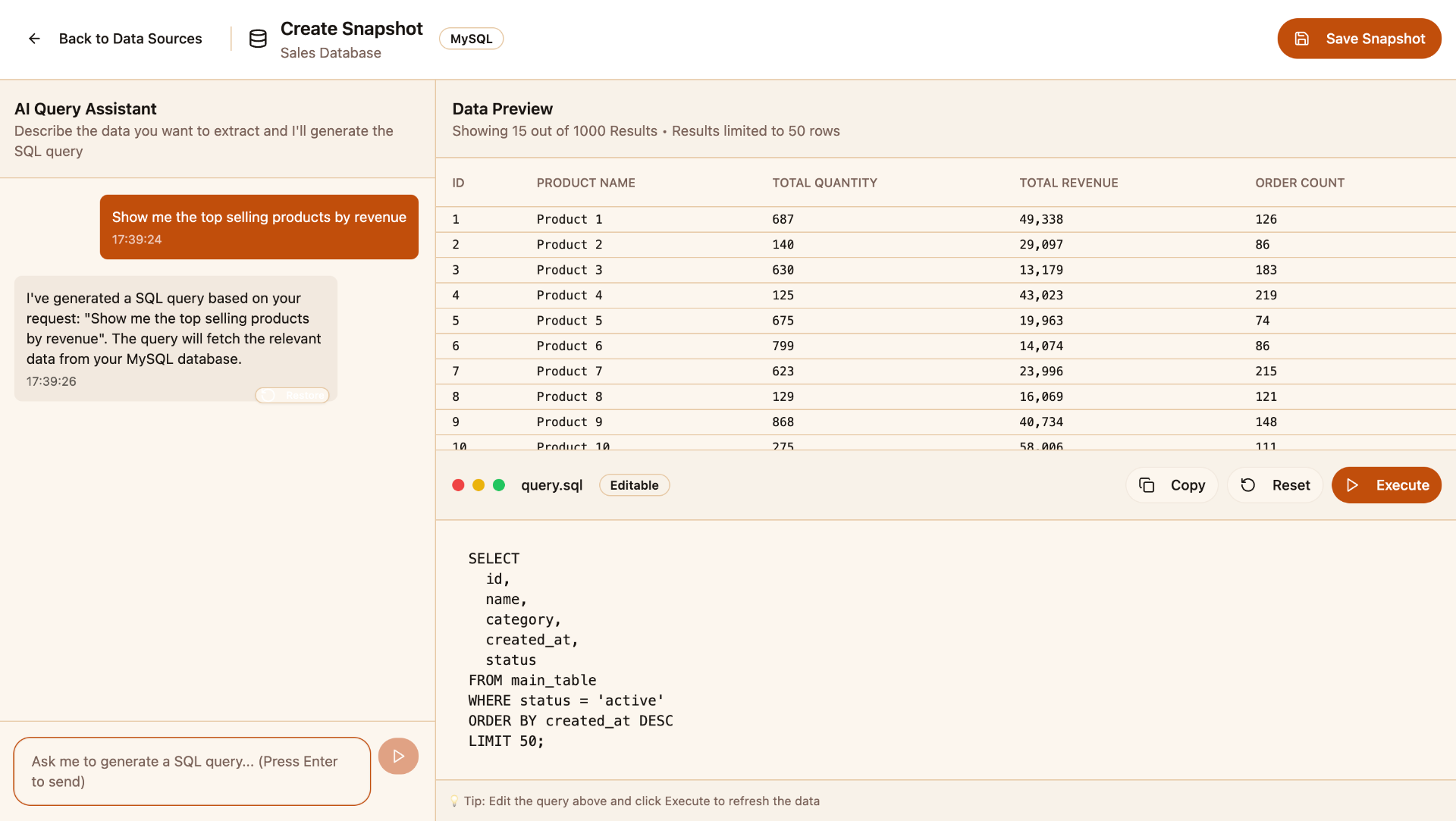
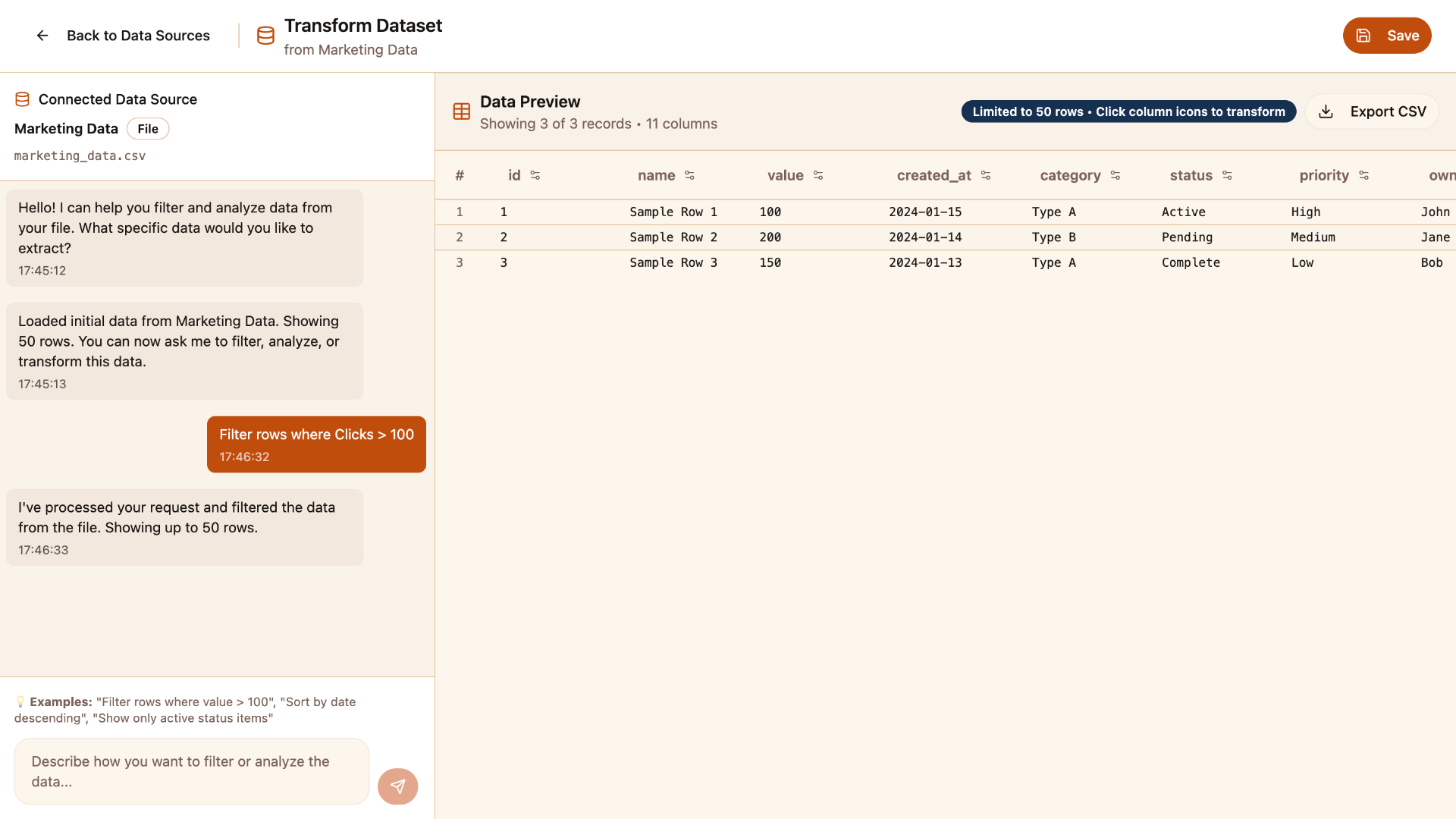
Business teams describe the outcome in plain language and the platform builds the automated workflow behind it — no SQL, no scripting, no engineering queue. The people who own the process own the automation, which is usually the difference between a pilot and a platform that spreads.
- Query governed data in natural language
- Generate transformations and data pipelines automatically
- Build dashboards, reports and presentations on demand
- Run forecasting and anomaly detection without a data team
- Trigger actions in source systems from the same answer, without exporting anything
From Raw Data To Business Decisions — Instantly
One workflow automation platform instead of five disconnected tools, one login, and one governed set of numbers behind every answer.
Move Beyond Traditional Workflow Automation Tools
Legacy automation replays recorded steps. Agentic automation reads the situation first, then decides which steps the case actually needs. That difference is why teams switching from scripted automated workflow tools stop spending most of their maintenance budget repairing flows every time a supplier changes an invoice layout or a portal moves a field.
Rule-Based Automation
- Static rules that break on exceptions
- Manual triggers and babysitting
- Fragile scripts, constant maintenance
Mimasa AI Workflow Automation
- Context-aware decisions on every case
- Event-driven, always-on execution
- Self-operating workflows that improve as they see more cases
What You Can Automate
Business Operations
- Procurement and finance workflow automation
- HR onboarding and lifecycle automated workflows
- Support triage, routing and escalation
Data & Intelligence
- Automated workflow processes for extraction and enrichment
- Real-time anomaly detection
- Scheduled reporting and alerting
Decision Systems
- Risk scoring and compliance monitoring
- Demand forecasting and planning
- Intelligent routing and prioritisation
Cross-System Actions
- AI workflow orchestration across tools
- Approvals, notifications and escalations
- Closed-loop execution between departments
Design each process in the no-code workflow builder, then hand the judgement-heavy steps to agents you configure in the AI agent builder.
Predict, Then Automate The Response
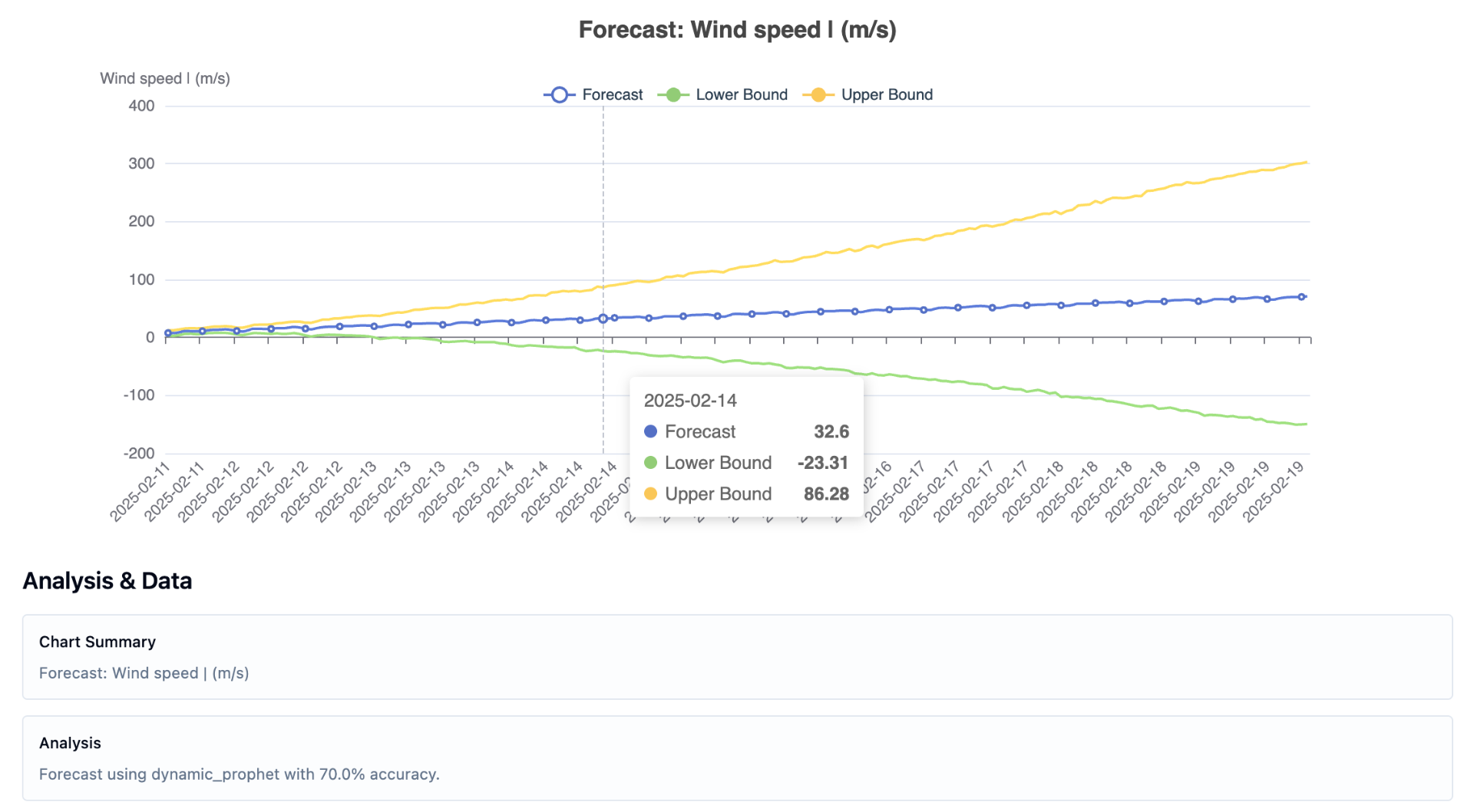
Mimasa agents select and apply the right forecasting technique for the series in front of them, then feed the result straight into an automated workflow rather than a slide. A demand shift can raise a purchase requisition, a cash-flow dip can flag exposed invoices, and a capacity warning can open a planning task — automatically, within the thresholds you set.
Statistical Models
ARIMA, regression, decomposition and exponential smoothing for stable, explainable baselines.
Machine & Deep Learning
XGBoost, Random Forest, Prophet, LSTM and neural networks where the pattern is non-linear.
Built For Real Decisions
Forecasts are not reports. They are triggers for action.
One Automation Platform. One Source Of Truth.
Enterprise workflow automation software is only as trustworthy as the data underneath it, so every automated workflow runs on governed, reconciled models rather than exported spreadsheets. Definitions are shared, refreshes are scheduled, and lineage is recorded, which means finance, operations and compliance argue about the decision instead of the number.
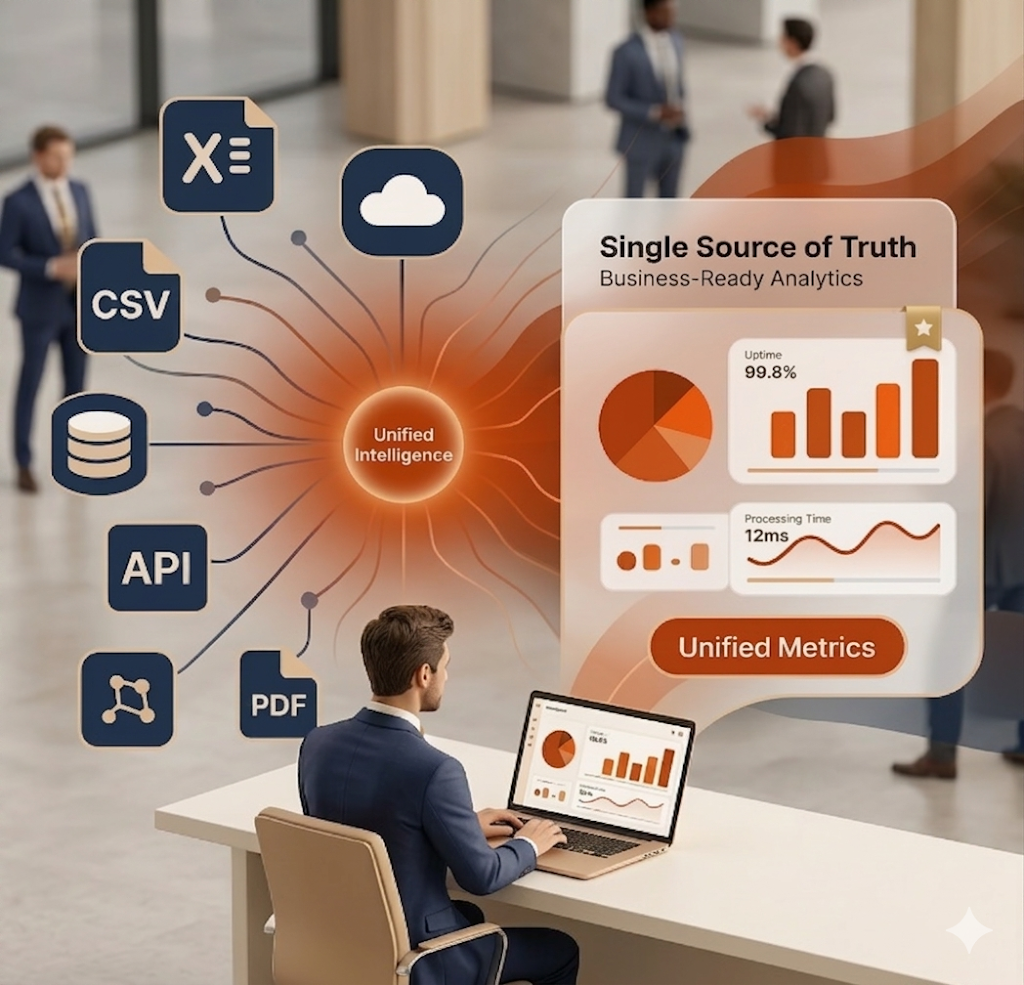
- Centralised, versioned datasets
- Role-based access control down to row and column
- Full data lineage and audit trails
- Consistent metrics shared across every team
Eliminate Data Chaos
No conflicting reports, no disconnected automation workflow tools, and no manual reconciliation before anyone can trust the number an agent just acted on.
Secure, Scalable Enterprise Automation
An enterprise automation platform has to satisfy security review before it automates anything. Mimasa is designed for that conversation: deployment inside your perimeter, granular permissions, encryption throughout, and an immutable record of every automated action taken on your behalf.
On-premise or private cloud deployment
Data never leaves your environment
End-to-end encryption in transit and at rest
Full auditability for every automated action
Designed For Regulated Industries
Where Enterprise Workflow Automation Pays Off
The same workflow automation platform runs across regulated and operations-heavy sectors, because the underlying pattern rarely changes: high-volume documents arrive, data has to be reconciled against systems of record, a decision follows from written policy, and someone has to execute it before a deadline. Automated workflow systems handle that repetition; your teams keep the judgement calls.
Government
Scheme monitoring and file movement with automated workflow systems
Enterprises
Enterprise workflow automation across finance, HR and operations
Finance
Risk scoring, compliance checks and fraud review automation
Manufacturing
Predictive maintenance, quality checks and supply automation
Choosing Workflow Automation Software That Actually Finishes The Work
Most enterprise software has been very good at telling organisations what happened and remarkably poor at helping them do anything about it. A dashboard reports that the invoice queue has grown, that a supplier is slipping, that a claim looks irregular — and then stops, because acting on that conclusion means a person opening another system and typing. The insight was never the bottleneck. The last mile was, and that is exactly the gap AI workflow automation tools are meant to close.
Mimasa AI covers that last mile as a single workflow automation platform. It connects to the systems you already run, reconciles the data into governed models everyone can agree on, and lets anyone interrogate it in plain language. Where a decision follows predictably from what the data says, agents carry the work through into the source system under rules, thresholds and approvals you define — and escalate anything ambiguous to a person with the context already assembled.
This matters most in processes that repeat. Invoices, bids, claims, reconciliations, exception handling, compliance checks and recurring reports consume enormous amounts of skilled time without producing judgement. Automated workflow systems that absorb the routine majority do not remove people from the process; they move them to the difficult minority, which is where their expertise was always worth paying for.
There is a real difference between an automation workflow built from recorded clicks and one built from reasoning. Rule-based automated workflow tools assume the world holds still: same layout, same fields, same sequence. Agentic AI workflow automation reads each case, understands what it is looking at, and chooses the path — which is why it survives the format changes, exceptions and edge cases that quietly kill traditional deployments.
We are deliberate about where automation is allowed to act alone. Every agent operates against governed data with full lineage, every action is logged, and access is controlled by role with row and column level rules. For the government departments, banks, manufacturers and logistics operators we work with, that governance is not an add-on to enterprise workflow automation software — it is the precondition for using the platform at all.
Buying decisions in this category usually come down to three questions. Can the platform reach every system the process touches, or will half the work still happen by hand? Can non-technical owners change a workflow themselves, or does every rule change join an engineering backlog? And can it explain what it did, in enough detail to survive an audit? Mimasa AI is built to answer all three, which is why evaluations tend to compare it against a combination of a BI tool, an integration layer and an RPA suite rather than a single product.
Deployments start narrow. One workflow that runs often, whose rules can be written down, where the cost of the current approach is visible. Prove it there, measure the difference honestly, then widen. That sequence is slower to describe than a transformation programme and considerably more likely to still be running a year later.
Frequently Asked Questions
Common questions about workflow automation software, AI automation tools, deployment and governance.
Recognized & Launched On